Medical Discovery News
Science permeates everyday life. Yet the understanding of advances in biomedical science is limited at best. Few people make the connection that biomedical science is medicine and that biomedical scientists are working today for the medicine of tomorrow. Our weekly five-hundred-word newspaper column (http://www.illuminascicom.com/) and two-minute radio show provide insights into a broad range of biomedical science topics. Medical Discovery News is dedicated to explaining discoveries in biomedical research and their promise for the future of medicine. Each release is designed to stimulate listeners to think, question and appreciate how science affects their health as well as that of the rest of the world. We also delve into significant biomedical discoveries and portray how science (or the lack of it) has impacted health throughout history.
Medical Discovery News
Re-growing limbs and organs on the horizon
889 Re-growing limbs and organs on the horizon
Welcome to Medical Discovery News. I’m Dr. David Niesel.
And I’m Dr. Norbert erzog
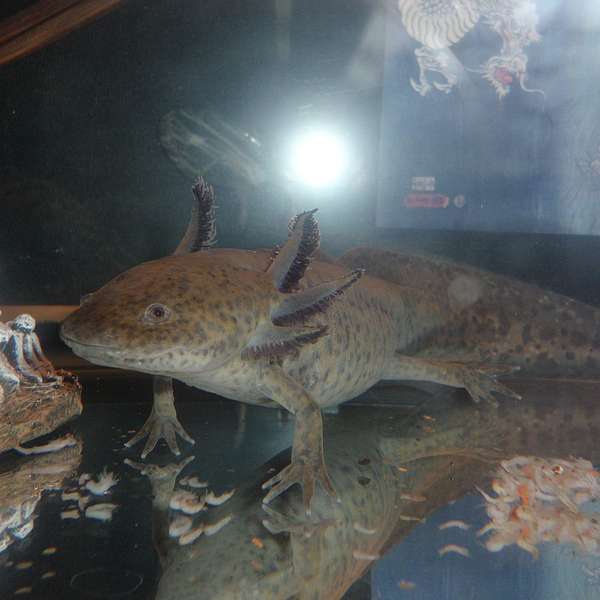
Amphibians have a unique trait: the ability to grow back limbs and even organs. When a salamander loses a limb, a blood clot appears in the damaged area. Then with surprising speed, newly formed skin cells cover the wound.
Underneath this skin-capped area, a structure called a blastema containing a complex array of new cells forms. Then tissues begin to develop and the structures necessary to form the missing limb.
A juvenile salamander can reform the limb with muscle, bones, and nerves in an astonishing forty to fifty days. Terrestrial forms can take up to half a year, but it’s still an amazing trait that no other animals have.
New research is giving us clues about how they do this. It’s focused on how quickly cells at the injury make proteins which is the opposite in humans where cells reduce protein production to conserve energy.
Salamanders can also “store” a large amount of mRNA at four times the amount normally needed. mRNA is the template that directs the proteins being made. Having premade mRNA gives the cells at the injury a “rapid start” to make the proteins necessary for tissue repair and grow new limbs.
There’s also a specific signal built into the mRNA sequence unique to salamanders that accelerates protein production. When scientists blocked this mechanism, these salamanders couldn’t grow back their missing limbs.
If only we had this ability. How amazing would it be to grow back a missing limb or damaged organ!
We are Drs. David Niesel and Norbert Herzog, at UTMB and Quinnipiac University, where biomedical discoveries shape the future of medicine. For much more and our disclaimer go to medicaldiscoverynews.com or subscribe to our podcast. Sign up for expanded print episodes at www.illuminascicom.com

