Medical Discovery News
Science permeates everyday life. Yet the understanding of advances in biomedical science is limited at best. Few people make the connection that biomedical science is medicine and that biomedical scientists are working today for the medicine of tomorrow. Our weekly five-hundred-word newspaper column (http://www.illuminascicom.com/) and two-minute radio show provide insights into a broad range of biomedical science topics. Medical Discovery News is dedicated to explaining discoveries in biomedical research and their promise for the future of medicine. Each release is designed to stimulate listeners to think, question and appreciate how science affects their health as well as that of the rest of the world. We also delve into significant biomedical discoveries and portray how science (or the lack of it) has impacted health throughout history.
Medical Discovery News
The Brain Atlas: A New (R)evolution for Neuroscience
The Brain Atlas: A New (R)evolution for Neuroscience
Welcome to Medical Discovery News. I’m Dr. David Niesel
And I’m Dr Norbert Herzog.
The first thing a lot of us do before heading to a new place is consult a map. We can see how the city is laid out, its central hub, and general features and properties. The more complex the area the more help it is as a starting point.
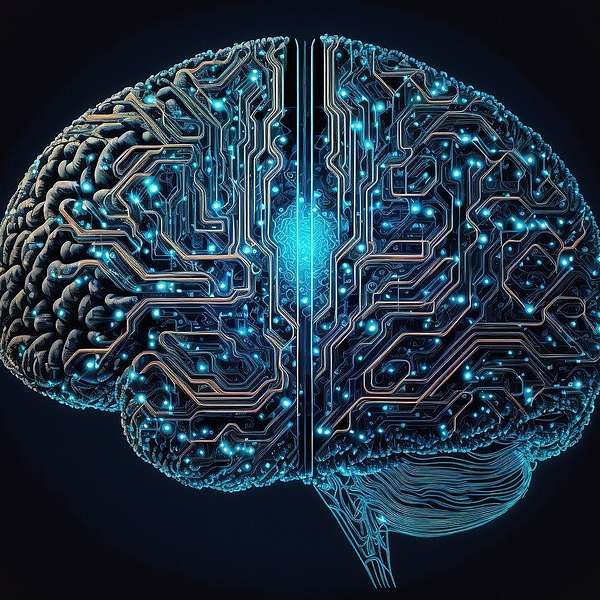
Scientists are using the same approach to the human brain. A new “brain atlas” will provide an incredible amount of detail that can help with a fundamental understanding of this complex organ.
We’ll better understand brain function to know what goes wrong in disease which then opens new paths to drugs and therapies. It’s being compared to what the completion of the human genome did for molecular biology over two decades ago.
This brain map gives us a three-D representation of all the cells in the human brain. Among our more than one hundred billion brain cells, researchers identified more than three thousand cell types, helping us see how brain circuits are connected.
In total, eighty-three brain areas were known to scientists and ninety-seven were new! Feeding the information to AI, they found unique properties in some of these areas.
They also used the map to compare human and primate brains. The dissimilarities made them suspect genetic changes affecting neuronal wiring and function explain our brain’s plasticity or ability to repair and evolve.
Creating this map, which will be the first of many versions, will provide the foundation that advances in our understanding of the brain will be built on.
We are Drs. David Niesel and Norbert Herzog, at UTMB and Quinnipiac University, where biomedical discoveries shape the future of medicine. For much more and our disclaimer go to medicaldiscoverynews.com or subscribe to our podcast. Sign up for expanded print episodes at www.illuminascicom.com

